
Not every memory problem or sudden confusion is dementia. Several conditions can mimic dementia closely, and many of them are treatable or even fully reversible. Knowing what else can cause these symptoms could change everything for your loved one, which is why a proper evaluation matters so much. This guide covers the conditions that mimic dementia.
Disclaimer: This article is general information, not medical advice. Only a qualified clinician can diagnose dementia or its causes. Seek prompt care for sudden changes.
What conditions can mimic dementia?
A range of medical issues can produce memory loss, confusion, and personality changes that look like dementia. Because some are reversible, doctors aim to rule them out before confirming a diagnosis. The most important to consider include infections, medication effects, vitamin deficiencies, dehydration, depression, and certain neurological conditions.
UTIs and sudden confusion
In older adults, a urinary tract infection can cause sudden confusion, agitation, or hallucinations, sometimes without the usual urinary symptoms. This is one of the most common and treatable mimics. A sudden change in someone with or without dementia should prompt a UTI check. See how UTIs trigger agitation.
Medication side effects
Many medications, especially in combination, can dull thinking and memory. Sedatives, sleep aids, anticholinergic drugs, and others are common offenders. A medication review with a doctor or pharmacist sometimes restores clarity. Learn more in medications linked to dementia symptoms.
Vitamin deficiencies
Low levels of vitamin B12, in particular, can cause memory problems and confusion that improve with treatment. Thyroid problems and other metabolic imbalances can do the same. Simple blood tests can catch these.
Dehydration
Older adults dehydrate easily, and dehydration can cause confusion, dizziness, and weakness that resemble dementia. It is easily missed and easily corrected, making it an important thing to rule out.
Depression, grief, and sleep issues
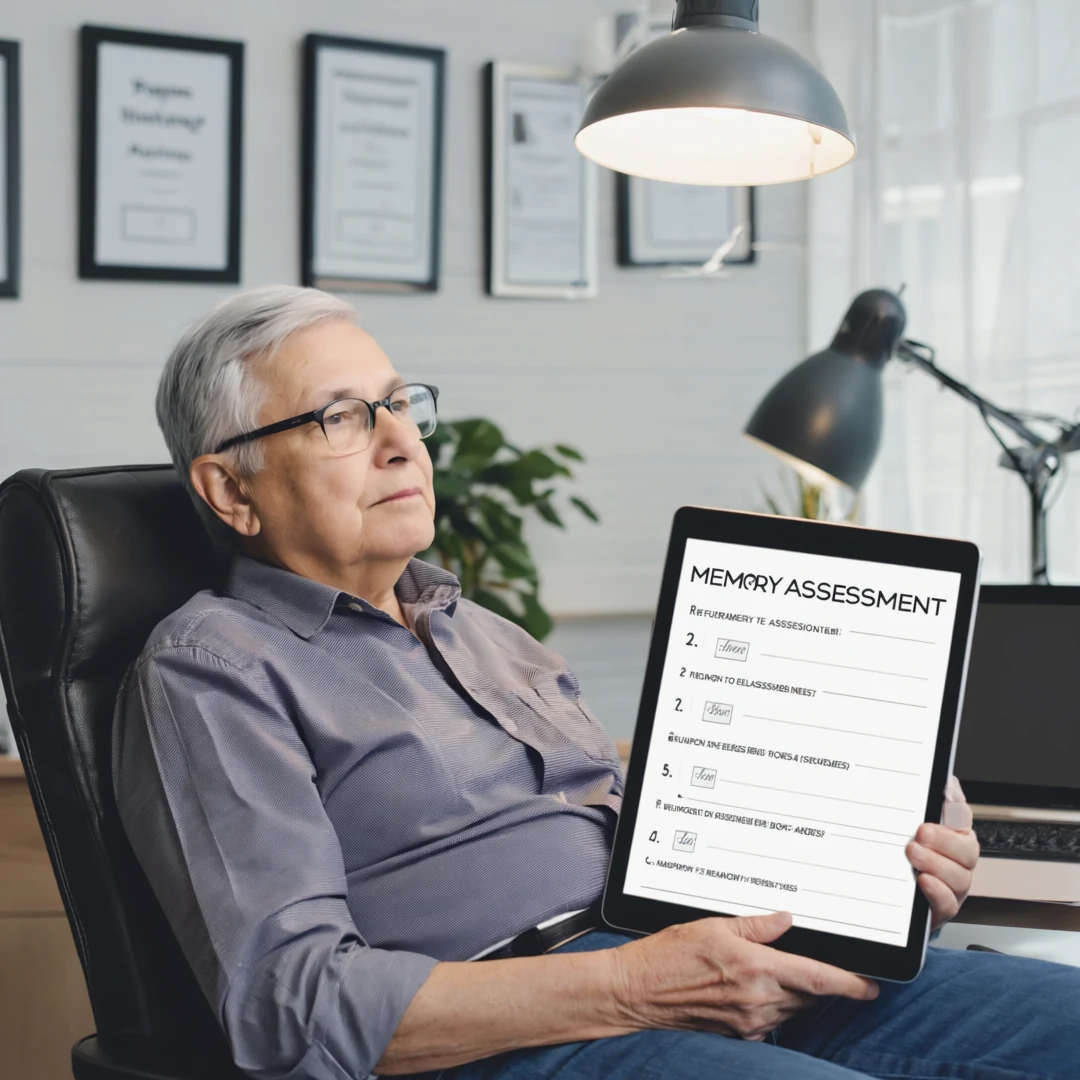
Depression in older adults, sometimes called pseudodementia, can mimic memory loss and withdrawal. Grief, chronic stress, and poor sleep also impair concentration and memory. These are treatable, and addressing them can lift the fog.
Neurological conditions
Conditions such as normal pressure hydrocephalus, brain tumors, strokes, and thyroid disease can cause dementia-like symptoms, and some are treatable. This is why imaging and a thorough workup are part of a proper evaluation. See our guide to dementia tests.
When to seek urgent care
Seek prompt medical attention for sudden confusion, a high fever, severe headache, weakness on one side, or a rapid change in mental status. These can signal infection, stroke, or another emergency rather than dementia.
Sudden confusion?
Sudden changes need a doctor’s evaluation. Our team can help with ongoing care once causes are checked.
Frequently asked questions
Can a UTI cause dementia?
A UTI does not cause dementia, but it can cause sudden, severe confusion that mimics or worsens it, especially in older adults. Treating the infection usually resolves the confusion.
Can dehydration cause dementia?
Dehydration does not cause permanent dementia, but it can cause temporary confusion and memory problems that resemble it, which improve with fluids.
Can dementia be misdiagnosed?
Yes. Because several reversible conditions mimic dementia, a thorough evaluation is essential to avoid misdiagnosis and to catch treatable causes.
Related guides
- Dementia Tests Explained
- Medications Linked to Dementia Symptoms
- Dementia vs Forgetfulness, Amnesia, and Senility
- How to Calm an Agitated Dementia Patient
The bottom line
Several conditions mimic dementia, including UTIs, medication effects, vitamin deficiencies, dehydration, and depression, and many are reversible. That is why sudden or unusual symptoms deserve a full medical evaluation rather than an assumption. Catching a treatable cause can restore a loved one’s clarity and quality of life.
About Created Out Of Mind
Created Out Of Mind is a knowledge hub focused on dementia care, mental health, and the practical realities families face day to day. We specialize in turning clinical guidance into steps a caregiver can actually use at home — covering daily care and behavior, memory-care decisions and costs, and the products and tools that make life easier for people living with dementia and the people looking after them.
How we write. Every article is grounded in guidance from recognized dementia and mental-health authorities and reviewed against current best practice before publication. Sources referenced: Alzheimer’s Association, National Institute on Aging.
Not medical advice. This article is for information only and is not a substitute for advice from a qualified clinician. Talk to your doctor or dementia specialist about your situation.
Last reviewed: October 10, 2026