
It is painfully common: one family member sees clear signs of dementia, while others insist Mom is “just getting older” or Dad is “fine.” This denial can stall the help a loved one urgently needs. This guide explains why families deny dementia and how to move everyone, gently, toward action.
Why families deny dementia
Denial is a protective response. Admitting dementia means facing loss, mortality, role reversal, and frightening responsibilities. Relatives who see the person rarely may genuinely miss the signs, and the person’s own good days can reinforce the belief that nothing is wrong. Denial is rarely about not caring.
How denial delays care
When a family refuses to acknowledge dementia, critical steps get postponed: medical evaluation, legal planning while capacity remains, safety measures, and care arrangements. Delay can mean lost chances to set up power of attorney or to catch treatable problems. See what to do after a dementia diagnosis.
How to talk without blaming
Approach relatives with empathy rather than accusation. Share specific, factual observations (“Mom left the stove on twice last week”) instead of labels. Use “I’m worried” language, listen to their fears, and invite them to be part of the solution rather than putting them on trial.
What evidence to document
- Specific incidents with dates, like getting lost or missed medications.
- Changes in finances, hygiene, or eating.
- Safety events such as falls or leaving appliances on.
- Notes from doctor visits.
When to involve a doctor
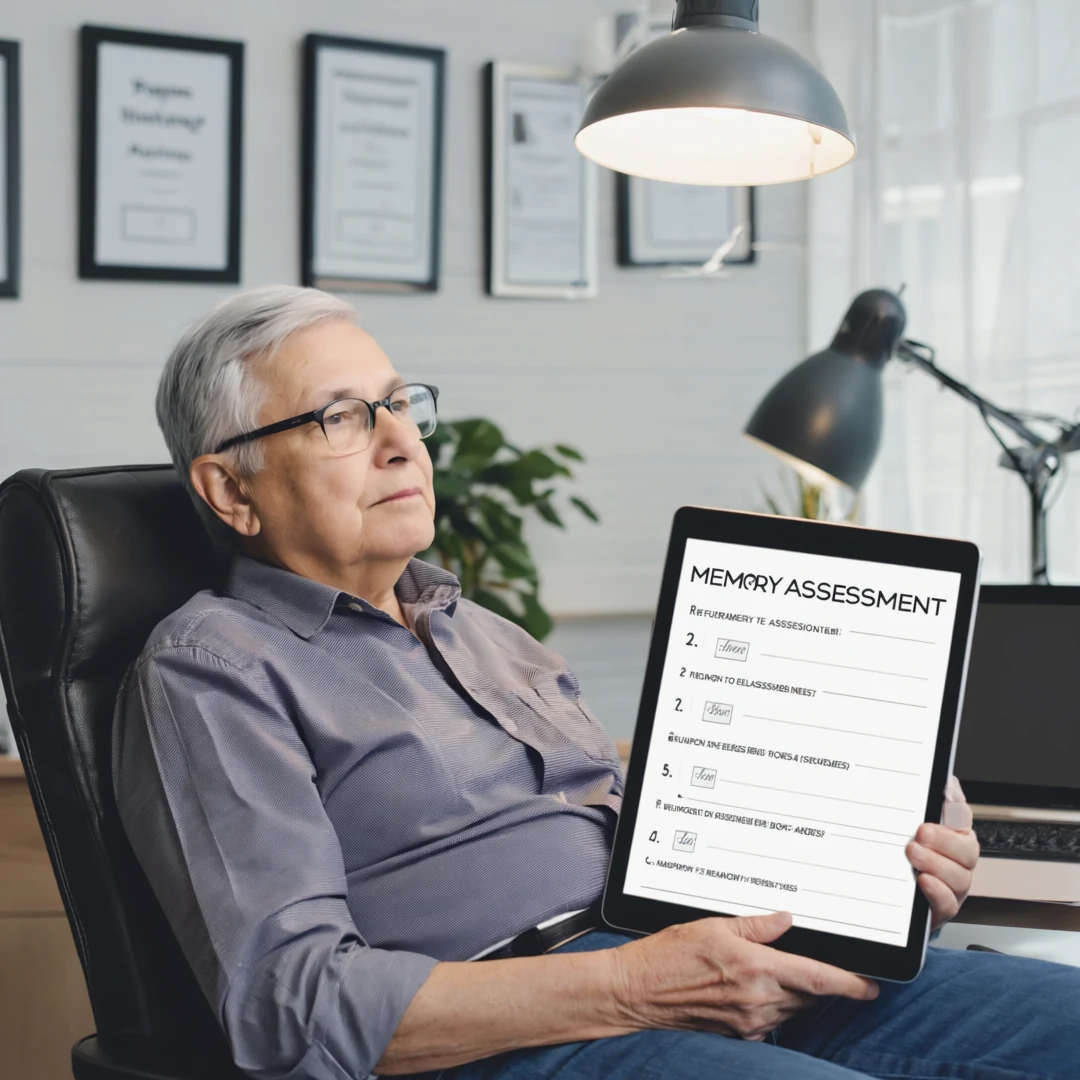
A trusted physician can be a powerful, neutral voice. Arrange an evaluation and, with permission, share your observations with the doctor beforehand. A professional diagnosis often breaks through denial in a way family arguments cannot.
When safety has to come first
If denial is putting your loved one at real risk, such as unsafe driving, wandering, or medication errors, safety must override family consensus. You may need to act on the available evidence, involve their doctor, or seek legal guidance, even if some relatives disagree.
Family not on the same page?
We can help your family navigate care decisions together.
Frequently asked questions
How do you convince a family member that a parent has dementia?
Share specific, dated observations rather than labels, lead with concern, listen to their fears, and arrange a medical evaluation so a neutral professional can confirm what you are seeing.
What if my sibling refuses to accept our parent has dementia?
Document specific incidents, involve the doctor, and focus on safety. If denial endangers your parent, you may need to act on the evidence and seek legal guidance.
Related guides
- What to Do After a Dementia Diagnosis
- Do People With Dementia Know They Have It?
- How to Get Power of Attorney for a Parent With Dementia
- When Should Someone With Dementia Stop Living Alone?
The bottom line
Family denial about dementia comes from fear and love, not indifference, but it can dangerously delay care. Lead with empathy and specific facts, enlist a doctor as a neutral authority, and document what you see. When safety is at stake, it must come first, even if not everyone is ready to agree.
About Created Out Of Mind
Created Out Of Mind is a knowledge hub focused on dementia care, mental health, and the practical realities families face day to day. We specialize in turning clinical guidance into steps a caregiver can actually use at home — covering daily care and behavior, memory-care decisions and costs, and the products and tools that make life easier for people living with dementia and the people looking after them.
How we write. Every article is grounded in guidance from recognized dementia and mental-health authorities and reviewed against current best practice before publication. Sources referenced: Alzheimer’s Association, National Institute on Aging.
Not medical advice. This article is for information only and is not a substitute for advice from a qualified clinician. Talk to your doctor or dementia specialist about your situation.
Last reviewed: September 9, 2026