
Keeping a loved one with dementia safe at home often comes down to the right products in the right places. From preventing wandering to reducing falls and kitchen hazards, simple devices can prevent serious harm. This guide covers the best safety products for dementia patients at home, plus a checklist to make your space safer.
Disclaimer: Safety products help but do not replace supervision or medical care. Always assess your loved one’s individual needs.
Best safety products for dementia at home
The most valuable products address the biggest dementia risks: wandering, falls, and kitchen and medication hazards. Bed and door alarms, secure locks, stove controls, good lighting, and ID tools form the core. Choose based on your loved one’s specific behaviors and stage.
Bed alarms and floor mats
Bed alarms and pressure-sensitive floor mats alert caregivers when a person gets up, helping prevent nighttime falls and wandering. They are especially useful for those who are unsteady or who wander after dark, as discussed in dementia at night.
Door locks and wandering prevention
Wandering is one of the most dangerous dementia behaviors. Door alarms, locks placed high or low out of the usual sight line, and door sensors help prevent a person from leaving unnoticed. GPS trackers and ID systems add another layer of protection.
Stove knob locks
The kitchen is a major hazard. Stove knob covers, automatic shut-off devices, and gas shut-offs prevent fires and burns from a stove left on. For some, removing knobs or disabling the stove when unsupervised is safest.
Nightlights
Good lighting prevents falls and reduces nighttime confusion and fear. Motion-activated nightlights along paths to the bathroom are simple and highly effective. Even lighting also reduces the confusing shadows that can trigger sundowning.
NFC tags and ID tools
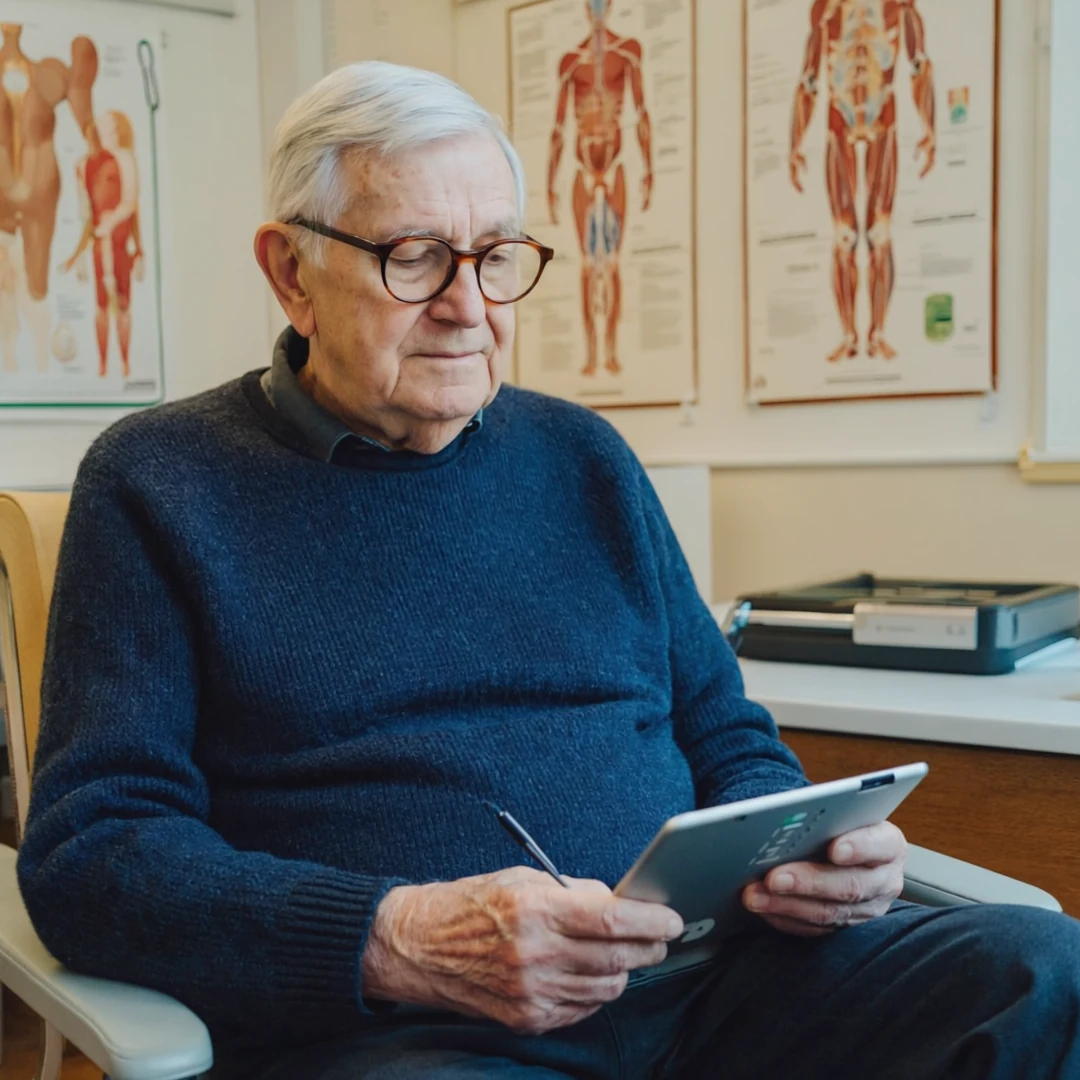
In case of wandering, ID tools help return a person home safely. Options include medical ID bracelets, NFC tags, and GPS devices that share identity and contact details. See dementia safety tools for more on IDs and wearables.
When safety products are not enough
Devices reduce risk but do not replace supervision. If wandering, falls, or hazards persist despite safety products, it may be time for more hands-on care, whether in-home help or memory care. Safety needs should drive that decision.
Home safety checklist
- Install door and bed alarms where needed.
- Secure or disable the stove.
- Add motion-sensor nightlights.
- Remove tripping hazards and add grab bars.
- Lock away medications, chemicals, and sharp objects.
- Provide ID tools in case of wandering.
Want a safer home setup?
Ask us about home safety assessments and in-home care.
Frequently asked questions
What are the best bed alarms for dementia patients?
Pressure-sensitive bed and chair alarms and floor mats that alert caregivers when a person gets up are most useful for preventing nighttime falls and wandering.
What locks keep dementia patients from wandering?
Door alarms, locks placed out of the usual line of sight (high or low), and door sensors help prevent unnoticed exits, often combined with GPS or ID tools.
Related guides
- Dementia at Night: Sundowning and Wandering
- Fall Prevention for Dementia Patients
- Dementia Safety Tools
- Dementia-Friendly Home Design
The bottom line
The best safety products for dementia at home target wandering, falls, and kitchen hazards, including alarms, secure locks, stove controls, nightlights, and ID tools. Use the checklist to cover the essentials, but remember devices support supervision rather than replace it. When risks persist, more hands-on care may be the safest next step.
About Created Out Of Mind
Created Out Of Mind is a knowledge hub focused on dementia care, mental health, and the practical realities families face day to day. We specialize in turning clinical guidance into steps a caregiver can actually use at home — covering daily care and behavior, memory-care decisions and costs, and the products and tools that make life easier for people living with dementia and the people looking after them.
How we write. Every article is grounded in guidance from recognized dementia and mental-health authorities and reviewed against current best practice before publication. Sources referenced: Alzheimer’s Association, National Institute on Aging.
Not medical advice. This article is for information only and is not a substitute for advice from a qualified clinician. Talk to your doctor or dementia specialist about your situation.
Last reviewed: August 23, 2026