
Marriage vows often include the words “in sickness and in health.” For couples facing dementia, those words take on new, heartbreaking meaning. When a husband or wife is diagnosed, the relationship changes forever. Caregiving becomes part of daily life, and over time, the demands can be overwhelming.
This leads some spouses to quietly ask the painful question: is it okay to leave a spouse with dementia?
This guide explores the emotional, ethical, and legal issues around leaving a partner with dementia, why caregivers sometimes reach that breaking point, and the alternatives available to families struggling with this decision.
Understanding the Caregiver’s Burden
Caring for a spouse with dementia is unlike any other role. A partner often becomes:
- Nurse → managing medications and physical health.
- Guardian → making financial and legal decisions.
- Emotional anchor → dealing with personality changes and loss of shared memories.
- Household manager → running daily life alone.
This can lead to caregiver burnout — a state of physical, emotional, and mental exhaustion. Spouses often feel isolated, depressed, and overwhelmed by responsibilities that can stretch on for years.
Why Some Spouses Consider Leaving
Leaving is not always about lack of love. More often, it’s about survival. Reasons include:
- Emotional Exhaustion
Watching a loved one decline is emotionally devastating. Some spouses feel they are “losing themselves” in the process. - Physical Demands
Caregiving often includes lifting, bathing, and constant supervision. This can be physically impossible, especially for aging spouses. - Financial Strain
Medical care, home modifications, and loss of income can drain savings quickly. - Loss of Intimacy and Partnership
Dementia changes relationships. Spouses may feel more like caregivers than partners, grieving the loss of companionship. - Personal Health Decline
Many caregivers develop anxiety, depression, or chronic health conditions of their own.
The Ethical Dilemma
Spouses often feel trapped between duty and personal wellbeing. Questions arise:
- Do marriage vows mean I must stay no matter what?
- Am I betraying my partner if I step away?
- How do I balance their needs with my own survival?
Experts emphasize that caring for yourself is not abandonment. Many caregivers who consider leaving are actually seeking ways to create balance — not simply walking away.
Legal Considerations of Leaving a Spouse With Dementia
- Marriage and Caregiving Duties
In many jurisdictions, spouses have legal obligations to provide support. Abandonment could have legal consequences, depending on local law. - Guardianship and POA
If you are your spouse’s Power of Attorney or legal guardian, leaving may require transferring responsibilities to another family member or professional. - Divorce and Separation
Some spouses pursue legal separation or divorce. Courts often weigh the best interests of the spouse with dementia when deciding financial and care arrangements. - Care Placement vs. Abandonment
There’s a difference between “leaving” and ensuring safe care through a nursing home, memory care unit, or in-home professional support. The law generally protects vulnerable adults against neglect, but it also recognizes caregiver limits.
Alternatives to Leaving a Spouse With Dementia
Before considering leaving entirely, families can explore alternatives:
1. Memory Care Facilities
Specialized dementia care units provide 24/7 support, safety, and structured activities. A spouse can remain emotionally involved without handling day-to-day care.
2. Respite Care
Short-term stays or in-home relief caregivers give spouses time to rest and recharge.
3. Support Groups
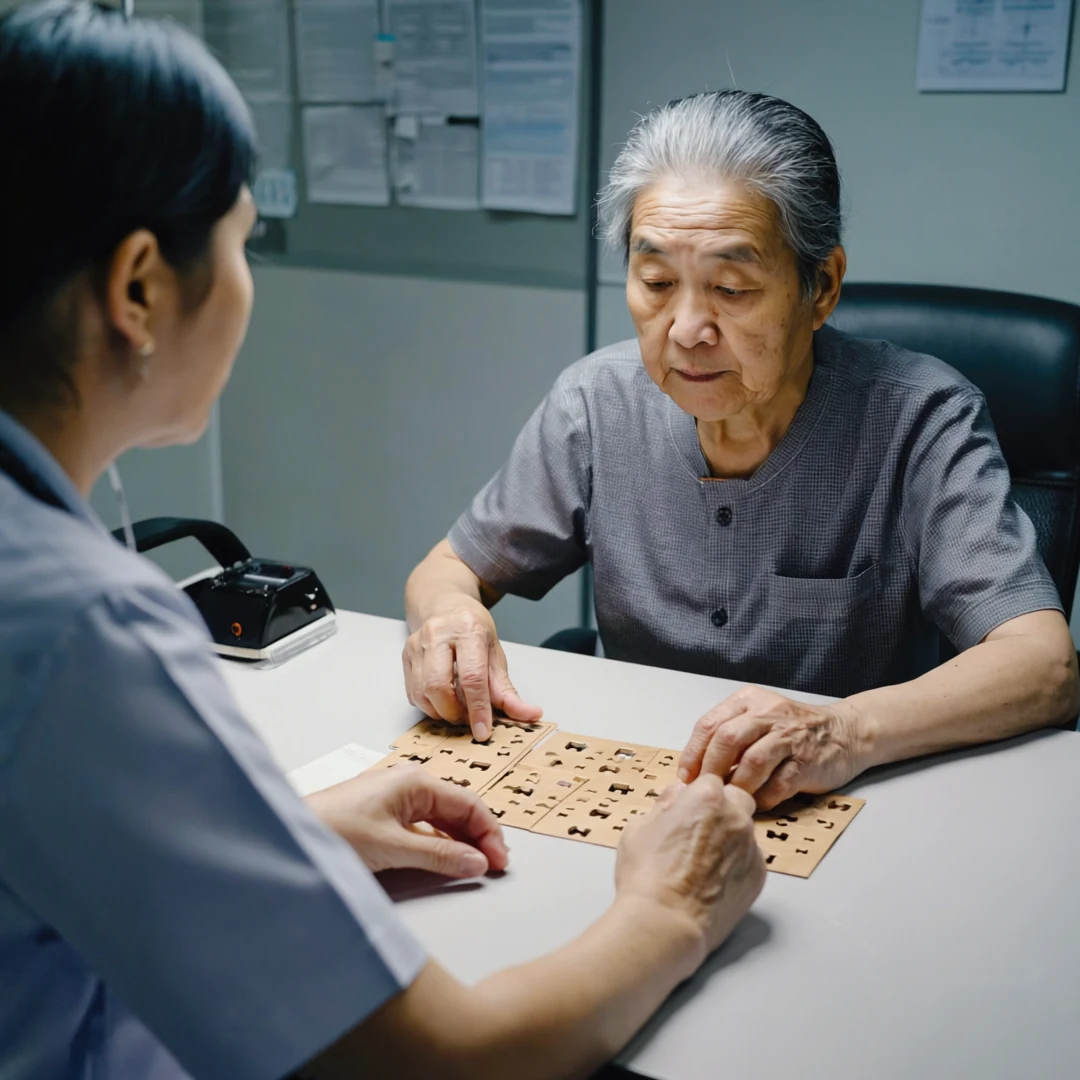
Sharing experiences with other spouses facing dementia can reduce isolation and provide coping strategies.
4. Counseling
Therapists trained in caregiving stress and grief can help spouses process emotions and explore healthy coping mechanisms.
5. Shared Caregiving
Siblings, adult children, or extended family may take on part of the responsibility to reduce burden.
When Divorce or Separation Happens
While rare, some marriages end during dementia. Common reasons include:
- Irreconcilable strain on the healthy spouse.
- Desire to remarry or seek companionship elsewhere.
- Financial or legal strategy (in some cases, separation helps preserve assets for Medicaid eligibility).
Divorce in these circumstances is emotionally complicated. Courts generally ensure that the spouse with dementia receives adequate care and financial support.
The Emotional Toll of “Leaving”
Even when a spouse transitions a partner to professional care rather than literal abandonment, guilt is common. Feelings include:
- Shame → Believing you’ve broken your vows.
- Grief → Mourning the partner you once knew.
- Relief → Gaining rest and space can bring guilt mixed with gratitude.
- Isolation → Others may not understand the decision.
Counselors often remind caregivers: placing a spouse in care is not the same as leaving them. You are still their advocate and emotional support.
Real Stories: Spouses Facing the Decision
- “I cared for my husband for 10 years at home, but when he started wandering at night, I couldn’t keep him safe. Moving him to memory care was the hardest choice of my life, but also the most necessary.”
- “After two strokes of my own, I realized I couldn’t be my wife’s caregiver anymore. My health was failing. She is now in a care home, and I visit daily. We are still married, still connected — just in a different way.”
These stories highlight that “leaving” doesn’t always mean abandonment — it often means finding safe, sustainable solutions.
FAQs About Leaving a Spouse With Dementia
Is it wrong to leave a spouse with dementia?
Not necessarily. It depends on the circumstances. Seeking professional care is often the safest and most compassionate option.
Can you divorce someone with dementia?
Yes, but it is complex. Courts ensure the spouse with dementia is financially supported and legally protected.
Is placing a spouse in memory care considered abandonment?
No. Transitioning to professional care is not abandonment if their safety and wellbeing are ensured.
How do I cope with guilt after leaving a spouse with dementia?
Support groups, counseling, and reframing the decision as an act of love and safety can help.
What’s the best way to balance my needs with my spouse’s care?
Explore respite care, support networks, and memory care facilities before considering separation.
Conclusion
Leaving a spouse with dementia is one of the most painful decisions a person can face. While vows and love run deep, the realities of caregiving can become overwhelming. For many, “leaving” does not mean walking away — it means transitioning care to professionals while remaining emotionally present.
The key is remembering: ensuring safety and dignity for your spouse is not betrayal. It is another form of love. And caring for yourself is essential if you want to continue being part of their journey, even as dementia changes your marriage.
About Created Out Of Mind
Created Out Of Mind is a knowledge hub focused on dementia care, mental health, and the practical realities families face day to day. We specialize in turning clinical guidance into steps a caregiver can actually use at home — covering daily care and behavior, memory-care decisions and costs, and the products and tools that make life easier for people living with dementia and the people looking after them.
How we write. Every article is grounded in guidance from recognized dementia and mental-health authorities and reviewed against current best practice before publication. Sources referenced: Alzheimer’s Association, National Institute on Aging, National Academy of Elder Law Attorneys.
Not medical advice. This article is for information only and is not a substitute for advice from a qualified clinician. Talk to your doctor or dementia specialist about your situation.
Last reviewed: October 20, 2026