
The words we use with a loved one who has dementia can either calm them or accidentally cause fear, shame, or anger. Most caregivers mean well but slip into habits, like correcting or quizzing, that make things harder. This guide covers what not to say to someone with dementia, why those phrases hurt, and the gentler alternatives that keep connection alive.
What not to say to someone with dementia
Some phrases reliably trigger distress because they highlight failing memory or contradict the person’s reality. Common ones to avoid include “Do you remember…?”, “I just told you that,” “You’re wrong,” “Your husband died years ago,” and “You can’t do that anymore.” Even gentle corrections can feel like criticism to someone who cannot help forgetting.
- “Do you remember…?” puts them on the spot.
- “I already told you” sounds like a scolding.
- “You’re wrong” or “That’s not true” creates conflict.
- Blunt truths about deaths or losses can re-traumatize.
- “Try harder to remember” asks the impossible.
Should you correct someone with dementia?
Usually not. Correcting facts rarely helps and often upsets, because the person cannot retain or accept the correction. Instead, caregivers use techniques like validation and gentle redirection, meeting the person in their reality and steering the moment toward calm. Being kind matters more than being right.
Should you tell someone they have dementia?
It depends on the stage and the person. In early dementia, an honest, compassionate conversation can help them plan and feel respected. In later stages, repeatedly telling someone they have dementia can cause fresh grief each time they forget. Take cues from what helps them feel secure.
What to say instead
- Replace “Do you remember?” with sharing the memory yourself.
- Replace correction with agreement or a gentle change of subject.
- Offer reassurance: “You’re safe,” “I’m here with you.”
- Validate feelings: “That sounds frustrating,” “I understand.”
- Use simple choices: “Would you like tea or juice?”
How to respond to repeated questions
Answer calmly as if it is the first time, since to them it often is. If a question loops, try reassurance, a written note, or gentle redirection to an activity. Frustration tends to escalate the behavior, while patience defuses it.
How to talk when someone is upset
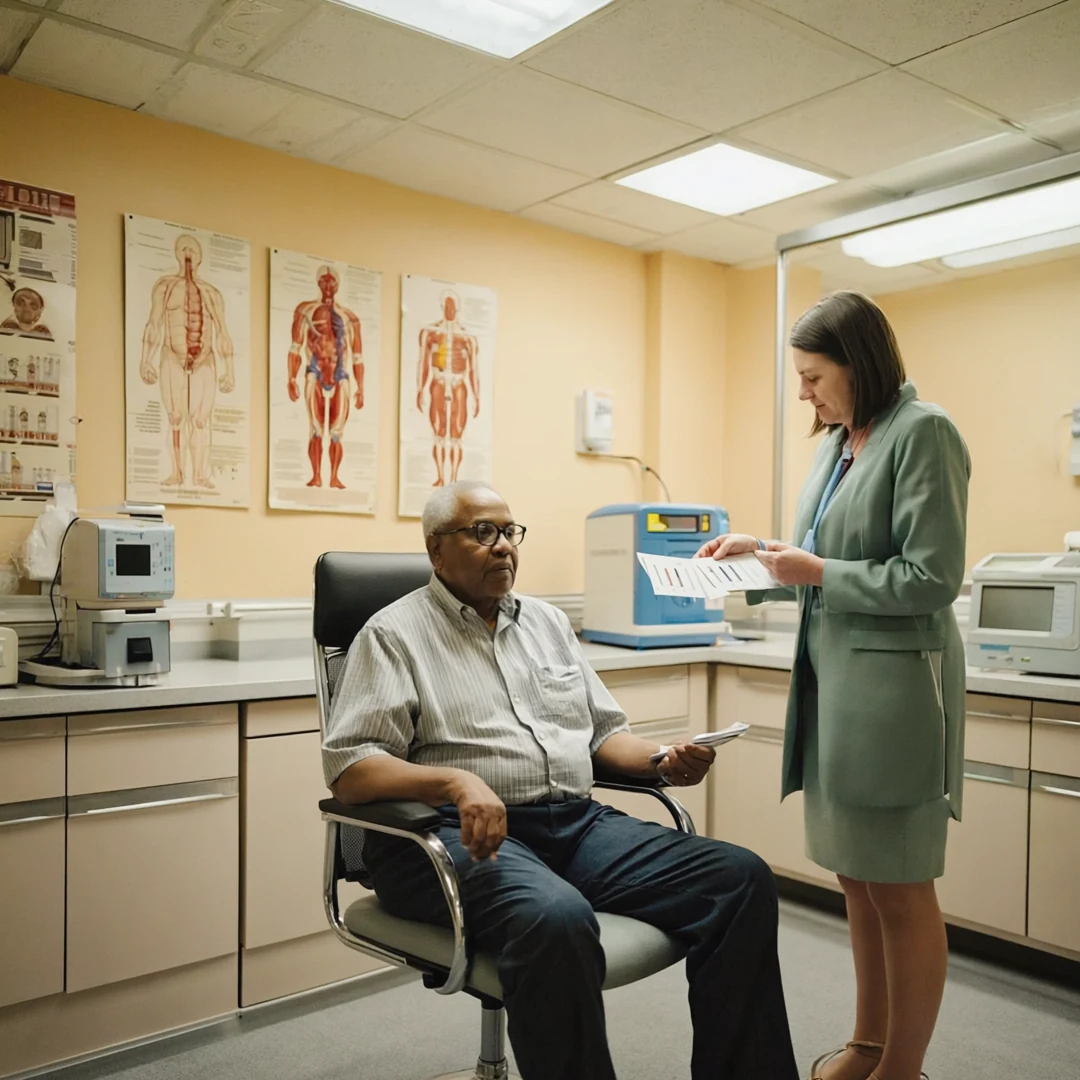
Lower your voice, slow down, and acknowledge the emotion before anything else. Avoid arguing or reasoning during distress. Our guide on calming an agitated dementia patient offers step-by-step techniques.
What to say to a family caregiver
Caregivers need support too. Instead of advice, offer presence: “How are you holding up?”, “What would help most this week?”, or simply “You’re doing a good job.” Small acknowledgments go a long way against caregiver burnout.
Want to communicate with more calm?
Our team shares practical, compassionate communication techniques families can use right away.
Frequently asked questions
Should you go along with dementia delusions?
Often yes, within reason. Entering their reality and reassuring them usually calms distress better than correcting them. Our guide on dementia delusions explains when to redirect.
How do you tell someone they have dementia?
In early stages, choose a calm moment and use simple, compassionate language focused on support. In later stages, repeated telling can cause renewed grief, so prioritize their sense of security.
Related guides
- 20 Things Not to Say to Someone With Dementia
- How to Calm an Agitated Dementia Patient
- Dementia Delusions, Paranoia, and Accusations
- Do People With Dementia Know They Have It?
The bottom line
What you say to someone with dementia shapes how safe they feel. Avoid quizzing, correcting, and harsh truths, and lean instead on reassurance, validation, and gentle redirection. Connection, not accuracy, is the goal, and a few kind phrases can transform a hard day for both of you.
About Created Out Of Mind
Created Out Of Mind is a knowledge hub focused on dementia care, mental health, and the practical realities families face day to day. We specialize in turning clinical guidance into steps a caregiver can actually use at home — covering daily care and behavior, memory-care decisions and costs, and the products and tools that make life easier for people living with dementia and the people looking after them.
How we write. Every article is grounded in guidance from recognized dementia and mental-health authorities and reviewed against current best practice before publication. Sources referenced: Alzheimer’s Association, National Institute on Aging.
Not medical advice. This article is for information only and is not a substitute for advice from a qualified clinician. Talk to your doctor or dementia specialist about your situation.
Last reviewed: October 15, 2026