
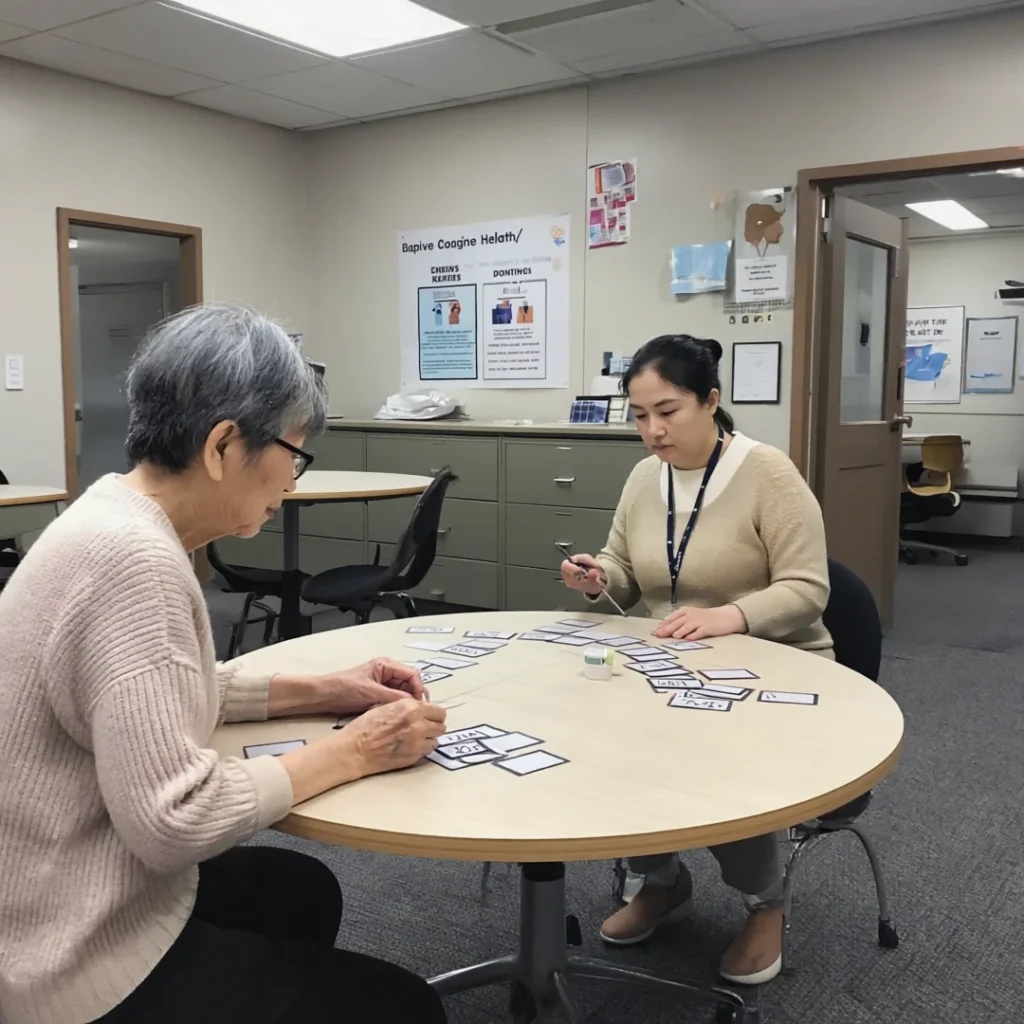
Dementia changes how people think, remember, and communicate, but it does not erase the need for human connection. One of the most effective — and enjoyable — ways to engage people living with dementia is through simple, structured games that stimulate memory and conversation. Among these, the classic 20 Questions game stands out as an adaptable and meaningful activity.
This article explains how the 20 Questions game can benefit dementia patients, offers practical tips for caregivers, and explores variations that make it easier and more rewarding for older adults.
Why Games Matter in Dementia Care
Engagement is central to dementia care. Games, activities, and conversations provide:
- Cognitive stimulation → helping maintain memory and problem-solving skills.
- Emotional connection → reducing loneliness and isolation.
- Stress relief → playful interaction lowers anxiety for both patient and caregiver.
- Structure and familiarity → predictable rules create a sense of safety.
The 20 Questions game is especially valuable because it requires no equipment, can be adapted for any ability level, and fosters both memory recall and social connection.
What Is the 20 Questions Game?
The rules are simple:
- One person thinks of an object, person, or place.
- The other player(s) ask up to 20 yes-or-no questions to figure out what it is.
- The goal is to guess the answer before reaching 20 questions.
For dementia patients, the game can be adapted to reduce stress and maximize enjoyment.
Benefits of 20 Questions for Dementia Patients
1. Stimulates Memory and Cognition
Asking and answering questions encourages recall. For example, if the chosen word is “apple”, the patient must connect questions like “Is it food?” or “Is it round?” with their stored memories of fruit.
2. Encourages Communication
Many people with dementia struggle with conversation. The yes-or-no format reduces pressure, while still allowing them to participate in dialogue.
3. Builds Confidence
Success in the game — whether through asking clever questions or recognizing the answer — provides small victories that boost confidence.
4. Strengthens Social Bonds
Because it can be played anywhere, the game becomes a way for family members, friends, or caregivers to connect meaningfully.
How to Adapt 20 Questions for Dementia Patients
Not all versions of the game are suitable for every stage of dementia. Here are tips for making it accessible:
Choose Familiar Categories
Stick to categories that connect with the patient’s long-term memory:
- Common foods (bread, milk, apples)
- Household objects (chair, clock, spoon)
- Animals (dog, cat, bird)
- Family roles (grandmother, teacher)
Reduce the Number of Questions
Instead of 20, aim for 10–12 questions to keep the game manageable and avoid fatigue.
Provide Hints and Prompts
Caregivers can guide the process by offering clues if the patient struggles. Example: “It’s something we eat at breakfast.”
Use Visual Aids
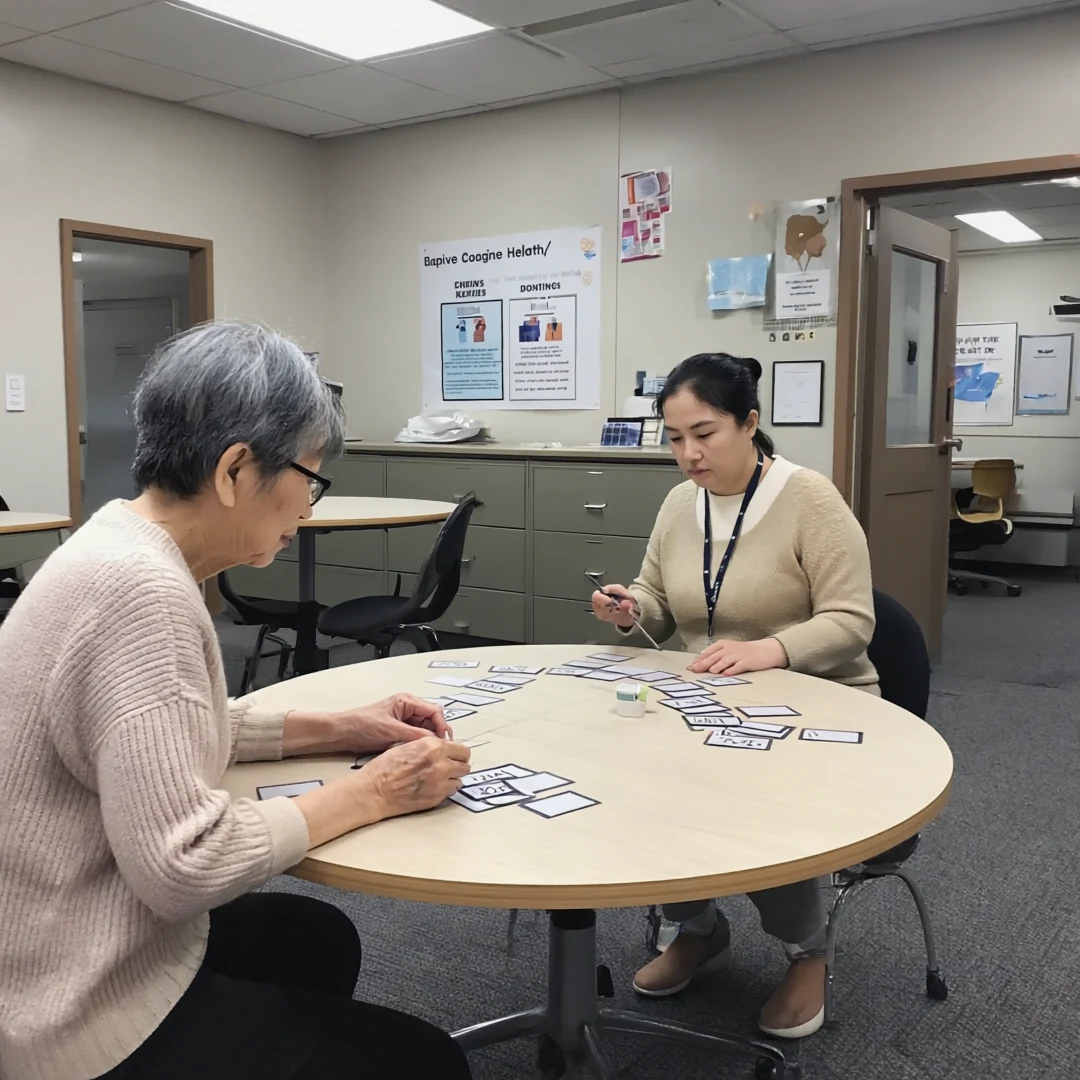
For later stages of dementia, combine the game with flashcards or images. Instead of guessing from memory alone, patients can point to the correct option.
Variations of the 20 Questions Game for Dementia
- Yes-or-No Cards → Give the patient “Yes” and “No” cards to hold up, reducing the need for verbal answers.
- Five Questions Version → A quicker, lighter version for short attention spans.
- Group Play → Play with multiple family members so the patient feels supported.
- Themed Rounds → Focus on a single category (e.g., animals or food) to reduce confusion.
Tips for Caregivers
- Keep it lighthearted: The goal is enjoyment, not competition.
- Watch for signs of fatigue: End the game if the patient becomes anxious or frustrated.
- Celebrate participation: Even partial success is valuable.
- Adapt daily: Some days patients may want to play longer, others only briefly.
Other Cognitive Games for Dementia
While 20 Questions is simple and powerful, caregivers may also consider:
- Word association games → e.g., naming animals starting with a certain letter.
- Music-based games → guessing songs or humming tunes.
- Memory card games → simplified matching activities.
- Storytelling prompts → building short stories from prompts.
These activities, like 20 Questions, encourage both memory and social connection.
Affiliate-Friendly Recommendations
If you want to expand beyond the traditional 20 Questions game, several products can make gameplay easier:
- Memory flashcards for dementia patients (Amazon)
- Large-print trivia games
- Conversation starter decks for seniors
- Music and reminiscence therapy kits
Each of these tools adapts the same principles of cognitive stimulation, making them ideal affiliate opportunities for this post.
Conclusion
The 20 Questions game for dementia patients is more than a pastime — it is a tool for connection, stimulation, and joy. By adapting the rules, focusing on familiar categories, and emphasizing fun over competition, caregivers can create meaningful moments that support both cognition and emotional wellbeing.
Aging and dementia change perception, but engagement through play reminds us that connection is always possible. Whether through words, laughter, or shared memory, games like 20 Questions give older adults a voice and a sense of belonging.
About Created Out Of Mind
Created Out Of Mind is a knowledge hub focused on dementia care, mental health, and the practical realities families face day to day. We specialize in turning clinical guidance into steps a caregiver can actually use at home — covering daily care and behavior, memory-care decisions and costs, and the products and tools that make life easier for people living with dementia and the people looking after them.
How we write. Every article is grounded in guidance from recognized dementia and mental-health authorities and reviewed against current best practice before publication. Sources referenced: Alzheimer’s Association, National Institute on Aging.
Not medical advice. This article is for information only and is not a substitute for advice from a qualified clinician. Talk to your doctor or dementia specialist about your situation.
Last reviewed: October 1, 2026