
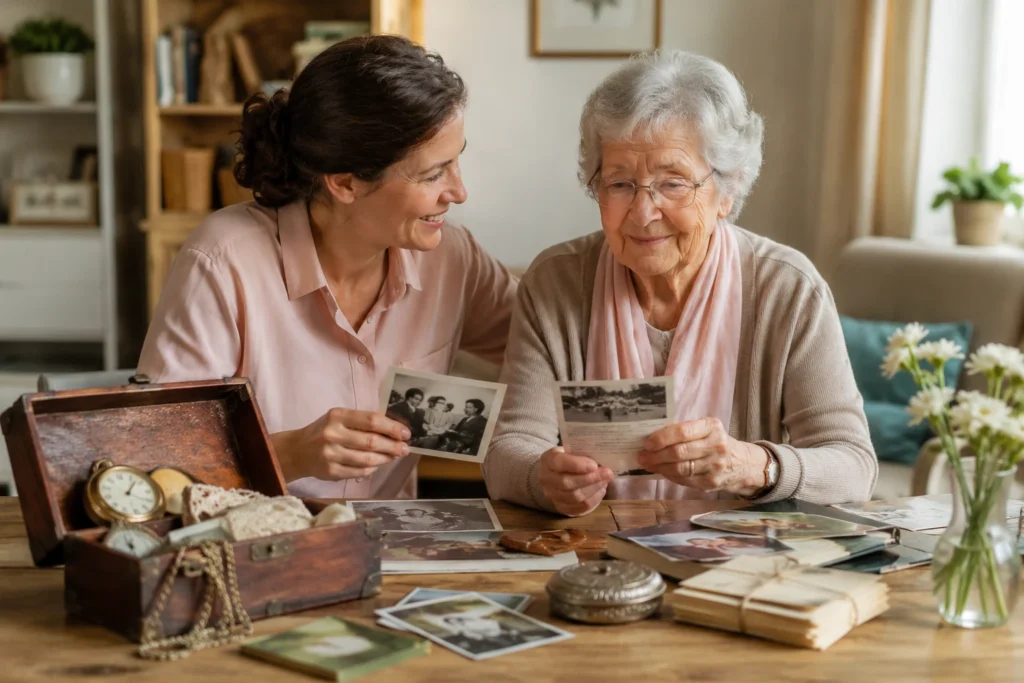
For people living with dementia, staying engaged with meaningful activities can make daily life calmer, more enjoyable, and more connected. Caregivers often turn to dementia toys for adults — simple but stimulating tools that provide comfort, reduce anxiety, and spark moments of joy.
While children’s toys may not be appropriate, specially designed adult toys and activity sets help seniors maintain dignity while still enjoying play, movement, and creativity. This guide explores the best dementia toys for adults, with a special section highlighting options tailored for men.
Why Dementia Toys Are Important
Dementia toys serve a therapeutic role in daily care:
- Reduce agitation and restlessness → Toys provide safe outlets for fidgeting.
- Encourage independence → Patients can engage without constant supervision.
- Stimulate the senses → Textures, colors, and sounds keep the brain active.
- Strengthen memory → Games and puzzles encourage recall and recognition.
- Promote dignity → Adult-focused designs avoid the childlike feel of regular toys.
For caregivers, toys also create downtime and relief, offering moments where patients can engage themselves safely.
Features of the Best Dementia Toys for Adults
When selecting toys for adults with dementia, look for:
- Age-appropriate design → Avoid childish patterns or characters.
- Safety → Sturdy, non-toxic, and free of choking hazards.
- Variety → Offer different types of engagement: sensory, cognitive, motor skills.
- Simplicity → Activities should be engaging but not overly complex.
- Portability → Lightweight toys allow use in bed, at the table, or on the go.
Best Dementia Toys for Adults
Here are caregiver-recommended toys that balance fun, dignity, and therapy:
1. Fidget Quilts and Blankets
- Textures, zippers, and buttons keep hands busy.
- Calming for patients with restlessness or anxiety.
2. Large-Piece Jigsaw Puzzles
- Designed for seniors with cognitive decline.
- Encourages problem-solving without frustration.
3. Sensory Balls and Stress Toys
- Soft, squeezable toys relieve tension.
- Available in textured or light-up varieties.
4. Music and Sound Toys
- Simple instruments (like shakers or tambourines) encourage rhythm and joy.
- Musical toys can trigger memory and lift mood.
5. Building Kits and Busy Boards
- Provide mechanical engagement without being childish.
- Mimic real-life tools and locks for a sense of purpose.
(Affiliate opportunities: Amazon adaptive toys, Etsy handmade items, specialty dementia activity retailers.)
Dementia Toys for Men
While dementia toys benefit everyone, some men respond better to hands-on, tool-like activities that feel familiar.
1. Mechanical Puzzles
- Gear-based toys, wooden models, or interlocking puzzles.
- Mimic the challenge of fixing or building.
2. Tool-Inspired Fidget Boards
- Screwdrivers, nuts, bolts, and switches on a safe panel.
- Helps men feel engaged in purposeful “work.”

3. Sports-Themed Memory Games
- Baseball, football, or golf trivia games.
- Nostalgic connections encourage conversation.
4. Model Kits for Seniors
- Simple car or airplane kits with large, safe pieces.
- Offer accomplishment without frustration.
5. Outdoor Activity Toys
- Lightweight balls for gentle tossing.
- Safe “mini-sports” toys that encourage movement.
These male-oriented toys respect identity and provide familiar stimulation, preventing disengagement or boredom.
DIY Dementia Toys
Caregivers can create homemade dementia toys with safe household items:
- Fidget boxes with locks and latches.
- Fabric swatches for tactile play.
- Memory boxes filled with personal photos or keepsakes.
- Sorting activities like nuts and washers (large, safe sizes).
DIY toys can be personalized, making them especially comforting.
Tips for Using Dementia Toys
- Introduce slowly → Too many options may overwhelm patients.
- Match to personality → Choose toys that align with hobbies or past work.
- Rotate regularly → Keeps interest fresh and engaging.
- Supervise initially → Ensure toys are safe and not frustrating.
- Celebrate small successes → Even simple engagement brings joy and purpose.
Emotional Benefits of Dementia Toys
Toys are not just about play — they carry emotional value:
- Encourage relaxation through familiar activities.
- Reduce caregiver-patient tension by providing independent time.
- Spark moments of laughter and shared connection.
- Build dignity by offering activities designed for adults, not children.
FAQs About Dementia Toys
What toys are best for dementia patients?
Adult-friendly toys like fidget quilts, large-piece puzzles, sensory balls, and activity boards are best.
Are toys good for dementia patients?
Yes. They provide mental stimulation, reduce agitation, and improve emotional wellbeing.
What are good dementia toys for men?
Tool-inspired toys, mechanical puzzles, sports-themed games, and simple model kits are especially effective for men.
Where can I buy dementia toys?
Dementia toys are available on Amazon, Etsy, and specialized senior care retailers.
Conclusion
The best dementia toys for adults combine safety, dignity, and engagement. From fidget quilts to sensory balls, these tools provide calm, purpose, and joy. For men, toys that mimic tools, sports, or building activities create familiar, hands-on experiences that feel meaningful.
For patients, dementia toys reduce anxiety and encourage independence. For caregivers, they provide valuable relief and moments of shared joy. A simple puzzle, quilt, or activity board can transform daily care into something more fulfilling and connected.
About Created Out Of Mind
Created Out Of Mind is a knowledge hub focused on dementia care, mental health, and the practical realities families face day to day. We specialize in turning clinical guidance into steps a caregiver can actually use at home — covering daily care and behavior, memory-care decisions and costs, and the products and tools that make life easier for people living with dementia and the people looking after them.
How we write. Every article is grounded in guidance from recognized dementia and mental-health authorities and reviewed against current best practice before publication. Sources referenced: Alzheimer’s Association, National Institute on Aging.
Not medical advice. This article is for information only and is not a substitute for advice from a qualified clinician. Talk to your doctor or dementia specialist about your situation.
Last reviewed: September 25, 2026