
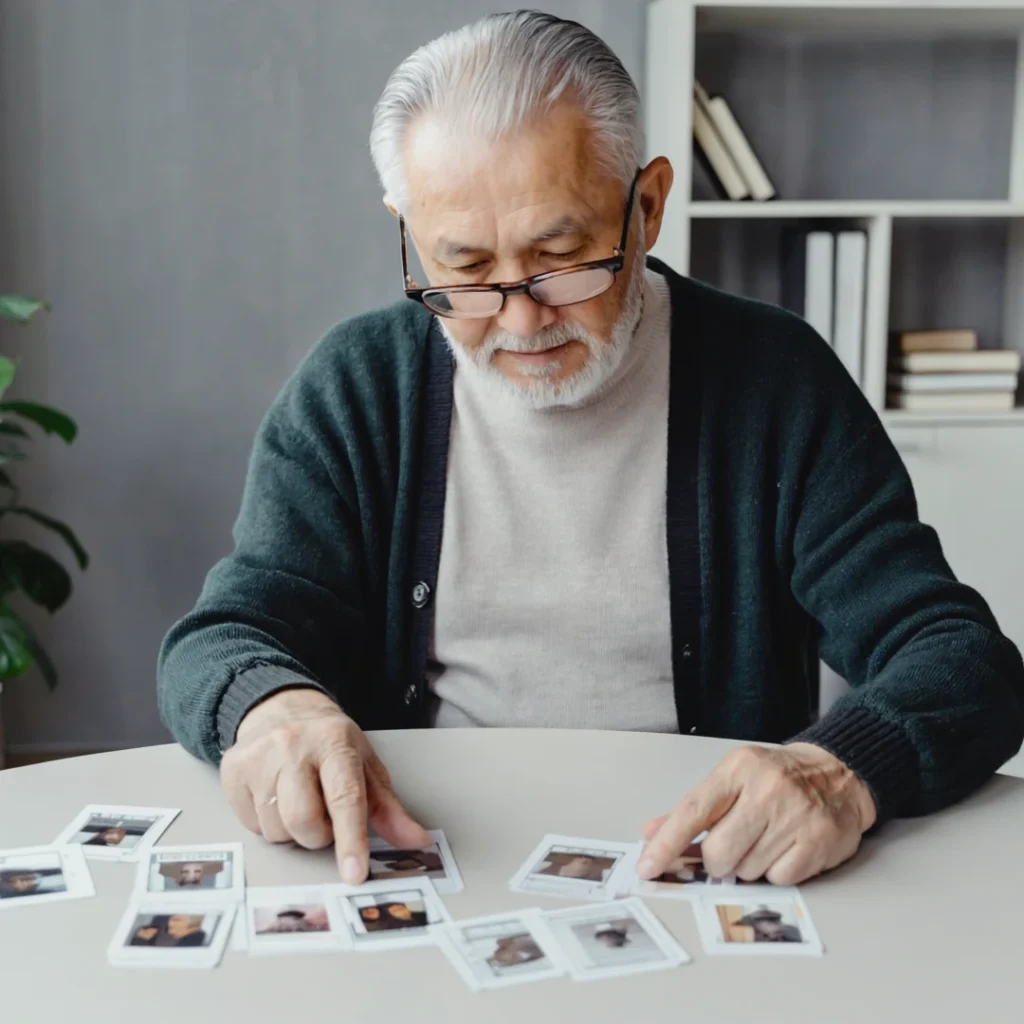
For caregivers of dementia patients, restlessness and agitation are daily challenges. Seniors with dementia often fidget, pace, or engage in repetitive movements as a way to cope with anxiety and memory loss. One effective tool to redirect this energy is the busy box — a hands-on activity center designed to engage the mind and soothe restlessness.
This guide explores the best busy boxes for dementia patients, their benefits, and caregiver tips for choosing and using them effectively.
What Are Busy Boxes?
Busy boxes (sometimes called activity boards or fidget boxes) are interactive tools filled with simple activities: locks, buttons, switches, latches, zippers, knobs, and textured surfaces. They mimic everyday objects, allowing patients to stay engaged without risk.
Unlike children’s toys, dementia-focused busy boxes are designed for adult dignity while providing safe, therapeutic engagement.
Why Busy Boxes Help Dementia Patients
Busy boxes serve multiple purposes in dementia care:
- Reduce anxiety and agitation → Fidgeting becomes a calming activity.
- Provide sensory stimulation → Tactile exploration enhances focus and relaxation.
- Support fine motor skills → Manipulating small objects strengthens coordination.
- Encourage independence → Patients can engage without constant supervision.
- Offer safe engagement → Everyday items like locks or zippers are replicated without risk.
For caregivers, busy boxes are valuable because they provide independent activity time, giving caregivers moments of rest.
Features to Look for in a Busy Box for Dementia Patients
When choosing a busy box, consider:
1. Safety
- Smooth edges, sturdy materials.
- No small detachable parts that could be a choking hazard.
- Non-toxic finishes.
2. Age-Appropriate Design
- Adult-friendly appearance (avoid childlike themes).
- Neutral or calming colors.
- Familiar everyday items like switches and latches.
3. Simplicity and Variety
- Activities should be easy to use, but not overly simplistic.
- Include different actions: turning, sliding, pulling, pressing.
4. Portability
- Lightweight boxes can be used at a chair, bed, or table.
- Larger boards work well for shared spaces or therapy rooms.
Best Busy Boxes for Dementia Patients
Here are some highly recommended options available online:
- Wooden Dementia Busy Board With Locks and Latches
Safe and sturdy, includes a range of everyday actions like turning knobs and sliding bolts. - Portable Lap Busy Box for Seniors
Lightweight and compact, perfect for use in bed or on a lap. - Sensory Fidget Box With Textures
Combines buttons, fabrics, and textured surfaces for calming sensory input. - Wall-Mounted Dementia Activity Board
Larger option for nursing homes or common spaces; multiple patients can use it together. - Customizable Busy Box for Seniors
Handmade options with interchangeable parts for variety.
(Insert affiliate links: Amazon, Etsy handmade shops, or specialty senior activity retailers.)
DIY Busy Boxes for Dementia Patients
Caregivers can also create busy boxes at home using safe materials. Items to include:
- Old locks, keys, or latches (secured to a board).
- Fabric swatches with zippers or buttons.
- Large toggle switches or light switches.
- Velcro strips and sliding pieces.
DIY boxes can be personalized with familiar items, making them even more effective.
Tips for Using Busy Boxes
- Introduce gradually → Demonstrate how the box works before leaving it with the patient.
- Place in calm settings → Busy boxes work best when patients are relaxed.
- Encourage routine use → Offer the box during times of restlessness, like evenings.
- Rotate options → If interest fades, switch to another box or add new features.
- Monitor engagement → Ensure patients are comfortable and not frustrated.
Emotional Benefits of Busy Boxes
Busy boxes go beyond physical activity — they offer psychological comfort:
- Repetitive actions provide familiarity and reduce agitation.
- Activities simulate independence, boosting self-esteem.
- Engagement fosters a sense of purpose in daily routines.
For caregivers, busy boxes also provide valuable downtime, reducing stress and improving the caregiving experience.
FAQs About Busy Boxes for Dementia Patients
What is the best busy box for dementia patients?
The best busy boxes are adult-friendly, safe, and filled with familiar actions like switches, locks, and zippers. Wooden dementia activity boards are especially popular.
Can busy boxes really help dementia patients?
Yes. They reduce agitation, provide sensory stimulation, and encourage independent engagement.
Are busy boxes safe for seniors?
Yes, as long as they are made from sturdy, non-toxic materials with no small detachable parts.
Where can I buy busy boxes for dementia patients?
Busy boxes are available through Amazon, Etsy, and specialty senior care retailers.
Can I make a DIY busy box at home?
Yes. Many caregivers create personalized busy boxes with everyday household items securely attached to a wooden board.
Conclusion
The best busy boxes for dementia patients combine safety, engagement, and dignity. From wooden boards with locks and switches to sensory boxes with fabrics and textures, these tools provide calming activities that reduce agitation and promote independence.
For patients, busy boxes bring comfort and stimulation. For caregivers, they provide much-needed relief by offering independent, safe engagement. In dementia care, something as simple as a box of switches and latches can make everyday life calmer and more joyful.
About Created Out Of Mind
Created Out Of Mind is a knowledge hub focused on dementia care, mental health, and the practical realities families face day to day. We specialize in turning clinical guidance into steps a caregiver can actually use at home — covering daily care and behavior, memory-care decisions and costs, and the products and tools that make life easier for people living with dementia and the people looking after them.
How we write. Every article is grounded in guidance from recognized dementia and mental-health authorities and reviewed against current best practice before publication. Sources referenced: Alzheimer’s Association, National Institute on Aging.
Not medical advice. This article is for information only and is not a substitute for advice from a qualified clinician. Talk to your doctor or dementia specialist about your situation.
Last reviewed: September 20, 2026